

Most Common Reasons Restaurants Lose Refrigeration (And How to Avoid a Shutdown)

When refrigeration drops even a few degrees during a Florida dinner rush, product and reputation are on the line. If you rely on coolers and walk-ins every day, plan ahead with restaurant refrigeration repair in Florida and a reliable partner you can trust. For fast, statewide support, explore our commercial refrigeration services from Air Murphy AC and Refrigeration.
Why Florida Restaurants Lose Refrigeration Most Often
In a hot, humid climate, your equipment works hard around the clock. Add frequent door openings, hot deliveries, and storm-season power blips, and even a strong system can stumble. Here are the issues we see most often across Florida kitchens, from Davie and Fort Lauderdale to Miami and Plantation:
- Power events and short brownouts that upset controls or restart sequences during storms
- Warm, humid air infiltration from worn gaskets, misaligned doors, or torn strip curtains
- Blocked or dirty condensers that drive head pressure up and cooling capacity down
- Defrost schedule problems that allow frost or ice to choke airflow
- Failing fans or motors that reduce circulation and create hot spots on the line
- Refrigerant circuit issues like leaks or restrictions that change pressures and superheat
- Heat load spikes from stacking warm product or overloading the case during rush
Do not ignore early temperature swings. Small drifts are often the first sign that a bigger failure is forming.
How Refrigeration Loss Triggers Health Inspection Risk
Cold holding violations can happen fast. If a walk-in or prep cooler runs warm, high-risk foods can enter unsafe ranges before your team notices. That puts your operation at risk for citations, corrective actions, or a surprise shutdown. Florida inspectors focus on safe holding, thermometer accuracy, and time-temperature control. If staff cannot show stable logs or if equipment is clearly underperforming, you face serious health inspection risk and potential product disposal.
Steady equipment plus consistent documentation is your best defense. A reliable service plan keeps readings within range and makes logs easier to maintain during busy service.
What A Shutdown Costs A Restaurant In Florida
Even a few hours offline can snowball. Beyond lost inventory, a shutdown hits sales, staffing, and guest confidence. Operators across Broward and Miami-Dade tell us the ripple effects last days, not hours, especially if social media picks up the story.
- Inventory losses from dairy, produce, and proteins that must be discarded
- Comped meals and refunds during service disruptions
- Overtime for recovery and cleanup after a warm box or a thaw event
- Schedule chaos as deliveries are reslotted and menus adjusted
Protect your peak periods. The right plan reduces surprise downtime during weekend rush and tourist season.
Local insight: Florida’s storm season brings fast-moving afternoon cells that cause short power dips. Those blips can trip controls or disturb defrost cycles even if lights stay on. A preseason check and monitored alerts help you spot issues before food is at risk.
Early Warning Signs Your Cooler Is Slipping
These are observations, not DIY fixes. Share them with your technician so the right repair happens faster and your inventory stays safe.
- Case temperature bouncing a few degrees during the same hour of service
- Persistent condensation at the door frame or water near the box
- Fans that start late, sound rough, or cycle irregularly
- Frost bands on lines or unusual ice patterns on the coil
- Hot deliveries thrown in during rush that never seem to recover temperature
If one or more of these patterns shows up more than once, act before a busy weekend. A short visit now beats an emergency later.
Florida Weather, Power, And Layout Factors You Can Plan For
Our climate in Davie, Hollywood, and Pembroke Pines is unique. Afternoon heat, sudden rain, and tight kitchens push coolers to their limit. Kitchens near ovens or the grill line see higher ambient temps and longer run times. Locations close to the coast may battle salt-laden air that speeds up corrosion on exposed components.
Think through deliveries and line design. Stagger drop-offs when possible so you are not loading multiple warm pallets at once. Keep a simple, accurate log of case and box temperatures during peak months. Consistent documentation builds a strong safety story if an inspector visits during a busy shift.
How Professional Maintenance Prevents Spoilage
Professional maintenance finds small problems early and keeps equipment tuned for Florida’s long cooling season. A trained commercial tech reviews electrical connections, airflow, refrigerant health, controls, and the box itself. That holistic approach stabilizes temperature, shortens recovery after door openings, and reduces emergency calls during rush.
If you want a deeper breakdown of visit steps and cadence, this guide to commercial refrigeration preventive maintenance explains what is typically included for restaurants across Broward and Miami-Dade.
When Comfort Problems Add Load To Your Coolers
Hot dining rooms and back-of-house spaces make refrigeration work harder. If your staff is sweating near the line or your guests feel muggy, bring in an hvac contractor to stabilize comfort and reduce the heat your coolers must fight. Balanced airflow and reliable AC support steadier box temps and fewer temperature alarms.
Avoiding A Shutdown: The Florida Operations Game Plan
Keep the plan simple and consistent. Schedule professional service on a regular cadence, tighten documentation during summer, and prepare for storms. Most restaurants in South Florida do best with a proactive partnership for inspections, quick diagnostics, and reliable response during peak hours.
When you are ready to set a plan, review our statewide commercial refrigeration services to align coverage with your busiest days and highest-risk equipment.
Why Florida Restaurants Choose Air Murphy AC and Refrigeration
Air Murphy AC and Refrigeration is based in Davie and serves restaurants across Florida. You get a commercial-first approach, clear communication, and service windows that respect prep and service times. Our team understands how Florida’s heat, humidity, and storm patterns affect walk-ins, reach-ins, bar coolers, and display cases in real kitchens.
For a quick overview of capabilities and how we support multi-site operators, start at our home page under restaurant refrigeration repair in Florida. If your dining room comfort is part of the problem, we coordinate with in-house comfort specialists so your kitchen and guest areas cool evenly again.
Health Inspection Readiness Without The Stress
Stable temperatures and clean logs reduce anxiety when an inspector walks in. We help you keep equipment reliable so your team can focus on service, not thermometers. If an issue appears during a surprise visit, our documentation and readings help you move quickly and show a path back to compliance. It is all about food spoilage prevention, guest safety, and smooth service.
Never gamble with borderline temperatures. Protect guests and product by calling for help as soon as readings drift or alarms repeat.
Time To Act Before The Weekend Rush
If your cooler has been warm twice this week or alarms keep sounding during deliveries, do not wait. One sticky Friday can cascade into waste, comped meals, and online reviews you do not want. A short professional visit now can stabilize temperatures and protect the next service window.
Have questions or need immediate help? Call Air Murphy AC and Refrigeration at 954-424-7499. We will document readings, outline next steps, and move fast to protect your inventory and your schedule.
Ready To Protect Your Inventory And Reputation?
Get a plan designed for Florida’s heat, humidity, and storm season. Schedule service with Air Murphy AC and Refrigeration so your kitchen runs steady and your product stays safe. For rapid response and preventative care statewide, visit our commercial refrigeration services page or call 954-424-7499 today.
Commercial Refrigeration Preventive Maintenance: What’s Included and How Often You Need It
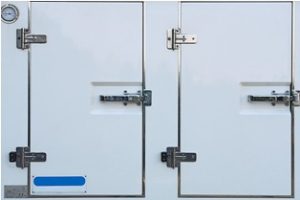
South Florida kitchens work hard. So do your coolers. A smart plan for commercial refrigeration preventive maintenance in Davie, FL keeps temperatures steady, protects inventory, and helps avoid surprise downtime. If you need a qualified team that understands our heat and humidity, explore our commercial refrigeration services from Air Murphy Air Conditioning and Refrigeration.
In this guide, you will see what a professional visit includes, how often most restaurants and retailers in Davie schedule it, and how a simple plan can reduce breakdowns during summer rush. For a deeper checklist written for operators, you can also review our commercial refrigeration maintenance checklist for restaurants after you finish this article.
Why Preventive Maintenance Matters In Broward County
Afternoon storms, long cooling seasons, and heavy door traffic around the 595 corridor add stress to walk-ins and line coolers. Locations near Davie Road, Pine Island Ridge, and Cooper City see quick heat spikes that make equipment run longer. A maintenance plan reduces surprise downtime and keeps your team focused on guests, not on melting product or warm prep lines.
If you want a quick background on our full capabilities, start at our home page using this phrase: commercial refrigeration preventive maintenance in Davie, FL.
What a Pro HVAC Visit Typically Includes
Your system is more than a thermostat and a box. A licensed HVAC technician checks the whole chain: power, controls, airflow, refrigerant circuit, and the box itself. Here is what a standard preventive maintenance visit from a commercial specialist usually covers:
- Performance readings: verify case and box temperatures match setpoints and compare to past baselines
- Electrical checks: inspect connections, amperage draw, contactors, relays, and safety controls
- Coils and airflow: assess condenser and evaporator condition, fan operation, and clearances for heat rejection
- Refrigerant circuit health: measure pressures, superheat, and subcooling; identify signs of leaks or restrictions
- Defrost and drainage: confirm schedules, inspect heaters and timers, and clear drain pans and lines
- Door system: evaluate gaskets, hinges, closers, and sweeps for tight seals and smooth self-closing
- Sensors and controls: calibrate thermostats and probes; confirm alarms and cutouts function properly
- Box integrity: look for infiltration points and damaged strip curtains that let humid air invade the space
Many Davie sites bundle ice machine service with cooler PM to keep sanitation on schedule and avoid flavor or scale issues at the bar or expo line.
How Often Should Davie, FL Businesses Schedule Service?
There is no one-size-fits-all schedule. Heat load, hours, menu, and foot traffic drive the cadence. That said, most operations in Broward County settle into one of these patterns:
- Monthly during summer for high-volume line coolers or stores with long open hours
- Every other month for mixed operations with lighter evening or weekend traffic
- Quarterly for walk-ins and reach-ins that live in cleaner, cooler back-of-house spaces
High heat and humidity shorten the time between services in South Florida. Kitchens along University Drive or near Nova Southeastern University usually plan a tighter cadence from May through October, then relax slightly during cooler months.
How Preventive Maintenance Reduces Breakdowns
Most “no cool” calls trace back to slow-build problems. Dirty condensers raise head pressure. Frost-choked evaporators starve airflow. Loose electrical connections overheat. Regular visits catch these early. The result is steadier temperatures, fewer emergency calls, and better energy performance. If action is already needed, our team can coordinate follow-up before a busy weekend so you are not scrambling.
When repair is unavoidable, you want it fast and predictable. If a related comfort issue affects your dining room or prep areas, our air conditioning repairs page explains how we handle urgent comfort problems that can add heat to your coolers’ workload.
Local tip: Schedule PM just before storm season peaks. Short power dips from summer thunderstorms can trip controls and upset defrost cycles. A fresh checkup helps systems ride out those blips without drama.
Safety reminder: Do not reset breakers or change control settings to “force a cool.” Let a licensed pro document readings before adjustments.
Signals You May Need a Tighter Schedule
Even with a plan, your operation can outgrow its cadence. These signs suggest you should move to more frequent visits until things stabilize:
• Wider temperature swings after deliveries or during the dinner rush in Plantation or Weston
• Repeated ice buildup on coils or lines between scheduled services
• Persistent door condensation or water on the floor near the box
• Fans that start irregularly or sound rough on startup
Do not try to adjust controls or add refrigerant yourself. Those quick fixes can mask a deeper problem and create costly damage.
What To Expect From Air Murphy Air Conditioning and Refrigeration During PM
We document before-and-after readings, note any trends, and give you clear next steps that fit your hours. If you operate multiple concepts across Davie and Pembroke Pines, we can stagger visits to reduce disruption. Our approach is practical and built for busy kitchens: stable temps, fewer surprises, and service that respects your prep schedule.
If you want a broader look at equipment types we handle, scan our commercial refrigeration services page for categories we support across Broward County.
Quarterly Versus Monthly: Choosing the Right Cadence
Think about where each unit lives and how it is used. A back-of-house walk-in with good seals might do well on a quarterly plan. A pair of sandwich prep coolers at the cook line may need monthly checks during summer to keep condensers clean and temperatures steady. Operators around Davie Road often split their fleet: monthly for line equipment, quarterly for storage coolers, and a mid-season “touch” if traffic spikes.
How We Build Your PM Checklist
Our technicians tailor the visit to your gear, hours, and menu. We start with your goals and any recent temperature logs, then customize a checklist so the biggest risks get attention first. If you want more planning ideas for your team’s side of the process, take a look at our concise maintenance checklist overview to see how we align schedules and documentation with your rush periods.
Walk-In Cooler Not Holding Temp? The Fast Checklist to Prevent Product Loss
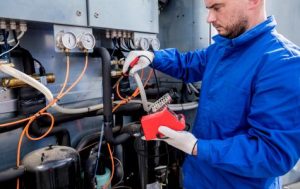
When a walk-in cooler drifts out of range during a busy shift in Davie, every minute matters. This guide gives you a quick, safe plan to protect inventory and know what to tell a pro. If you need immediate help with walk-in cooler repair, the commercial team at Air Murphy Air Conditioning and Refrigeration is ready to assist. For deeper diagnostics or scheduling, see our commercial refrigeration troubleshooting page.
What “Not Holding Temp” Really Means
Most walk-in coolers should consistently maintain safe holding temperatures for perishable foods. In real kitchens from Davie to Plantation, that steady number can slip due to heavy door traffic, new deliveries, or South Florida humidity pushing into the box. The key is stability. If your readings are climbing or bouncing, treat it as an urgent quality and safety risk.
In our climate, short afternoon storms and heat spikes increase the load on your cooler. Kitchens near the grill line, bakery ovens, or dish area run even hotter. That extra heat can cause longer compressor run times and wider temperature swings.
Fast Checklist To Protect Product Right Now
This list focuses on product protection and accurate information. It avoids repairs and keeps your staff safe until a licensed technician arrives.
- Protect product first. Prioritize high-risk items like dairy, cut produce, and prepared proteins for backup cold storage if available.
- Cluster items by risk and label racks with time and temperature. Clear notes help your tech make faster decisions.
- Limit door openings to what service and safety require. Post one point person in charge of the cooler until temperatures stabilize.
- Keep warm product out. Let items cool in a blast chiller or approved cooling method before shelving in the walk-in.
- Record temperatures every 15–30 minutes from a reliable thermometer. Include the time, staff initials, and what changed in the kitchen.
- Flag anything that looks off. Unusual frost, water on the floor, or a door that will not seal is important context for the technician.
What You Can Safely Observe Before You Call
No tools. No adjustments. Just observations your tech will appreciate.
- Door integrity: Is the door closing on its own? Any torn gaskets or a visible gap at the latch side?
- Air movement: Can you feel steady airflow from the evaporator fans inside the box?
- Frost or ice: Do you see a thin, even frost pattern or thick ice buildup on the coil or lines?
- Condenser surroundings: Is the outside unit blocked by boxes, linens, or dust-laden filters nearby?
- Sounds and smells: Grinding, squealing, or a burnt smell are red flags. Note when you noticed them.
- Power events: Did lights flicker during an afternoon storm in Davie, Cooper City, or Pembroke Pines?
Do not adjust controls or reset breakers. Quick resets may erase valuable data and can create bigger problems for the system.
Common Causes Of Temperature Swings In South Florida
These are frequent issues our technicians see across Broward County kitchens. Your system may show one or a combination of these symptoms.
Heavy moisture infiltration. Frequent door openings let humid air into the box. That moisture freezes on coils, chokes airflow, and forces longer run times.
Dirty or blocked condensers. Dust, cardboard fibers, and kitchen lint reduce heat rejection. The unit then runs hotter and longer.
Failing fans or motors. Weak or non-spinning evaporator fans reduce circulation, so product near corners warms faster than items by the airflow path.
Refrigerant issues. Underserved charge, leaks, or restrictions change system pressures and can lead to icing, warm returns, or short cycling.
Heat load spikes. Hot deliveries loaded too soon, stacked pans still steaming, or a rush-hour line near the door can overwhelm a right-sized cooler.
When It Is Time To Request Emergency Service
If your product temperature is rising and you cannot stabilize it with better loading and fewer door openings, do not wait. Call a commercial refrigeration specialist right away. Signs that justify urgent attention include:
- Rapid temperature rise over several readings despite reduced traffic
- Ice sheets on the coil or thick frost bands on refrigerant lines
- Fans not running, harsh compressor noises, or repeated start attempts
- Water on the floor near the box or persistent condensation around the door
- Door will not seal, is sprung, or the closer is not catching
Share your observation notes when you call. Clear details often shorten the visit and get your team back on track faster.
How Pros Diagnose A Walk-In Cooler In Davie
A qualified technician will pair your temperature log with system readings to isolate the root cause. Expect a methodical process that could include:
Airflow and door checks. The tech looks at gaskets, closers, strip curtains, and fan performance to confirm the box is moving enough air and sealing well.
Electrical and control tests. They verify supply power, defrost schedule, safeties, and control settings, then compare those to actual coil conditions.
Refrigerant evaluation. Proper superheat, subcooling, and pressure readings point to health or reveal charge issues and restrictions.
System cleanliness. The tech inspects condenser surfaces and surrounding airflow for dust, grease, or obstructions that constrict heat rejection.
Once findings are clear, your technician will outline next steps and a prevention plan tailored to your kitchen and schedule.
Prevention Tips That Do Not Involve DIY Repairs
Prevention is a team sport. The habits below help stabilize temperatures without touching tools or controls.
- Stage deliveries so hot items cool properly before shelving in the walk-in.
- Assign one “cooler captain” during peak periods to limit door openings and monitor temps.
- Use sturdy racks that allow airflow around product. Avoid plastering boxes tight against walls.
- Keep brooms, linens, and dry goods far from the condenser. Clear space supports reliable run times.
- Book routine service with a licensed pro to clean, test, and calibrate on a schedule that matches Davie’s long cooling season.
When you are ready to set up a preventive visit, review the services available on our commercial refrigeration page and choose a time that fits your prep schedule.
Local Context: Davie Kitchens Face Unique Stress
Restaurants around Davie Road, Nova Drive, and the 595 corridor feel serious afternoon heat. Neighborhoods near Plantation and Weston see strong sun plus sudden summer rain that can cause brief power dips. Add crowded walk-ins during weekend rushes and your cooler has a tough job to do every day.
If your team manages multiple concepts or food halls, stagger delivery times. A single truck dropping hot loads to several tenants at once can overload shared coolers. Plan backup space for high-risk ingredients during those windows.
Why Choose Air Murphy Air Conditioning and Refrigeration For Walk-In Cooler Repair In Davie, FL
We focus on commercial needs, so your schedule and your inventory come first. You get clear communication, consistent workmanship, and practical recommendations that fit your menu and hours. Our local technicians know how South Florida heat, humidity, and storms affect walk-ins in Davie, Hollywood, and Fort Lauderdale.
When you reach out, have your temperature log ready and any notes on power events or door problems. That simple prep helps us move quickly once we arrive.
Move From Uncertainty To Action
Your team already did the right thing by protecting product and documenting what you saw. Now bring in a pro to diagnose and stabilize your system. For fast help, call 954-424-7499 or schedule service with Air Murphy Air Conditioning and Refrigeration. If you prefer to read more first, our emergency refrigeration repair details outline how a service visit works and what to expect.
If you suspect a developing issue and want an expert opinion before the weekend rush, reach out today. Solid planning beats surprise spoilage every time.
Florida AC Installations in Davie, FL: 7 Decisions That Make or Break Your Comfort
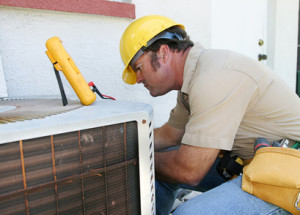
Hot, sticky summers in Davie call for AC that starts strong and stays reliable. If you are planning ac installations in Davie, FL, these seven decisions will shape comfort, efficiency, and peace of mind for years to come. The right plan, the right equipment, and the right team make all the difference, which is why homeowners turn to Air Murphy Air Conditioning and Refrigeration for professional ac installation service that fits the home and the South Florida climate.
Why Smart AC Installations Matter In Davie, FL
Our weather is long on humidity and short on cold snaps. That means your system battles heat, salt air carried inland on breezes, and frequent afternoon showers. A carefully designed installation protects comfort through storm season, keeps bills steady during August heat, and helps your home feel dry instead of clammy.
Decision 1: Choose The Right System Size
Getting size right is step one. Too small and it runs nonstop without catching up. Too big and it short cycles, leaving rooms muggy and uneven. A proper load calculation looks at your square footage, insulation, window area, sun exposure, and air leakage.
- What affects load: roof color, attic ventilation, window orientation, and shade from trees.
- Goal: steady run times that pull out humidity and deliver even temperatures.
Insist on a sizing calculation rather than rules of thumb. Davie homes near Flamingo Gardens may face more afternoon sun, while shaded lots off Pine Island Road may need less capacity than you expect.
Decision 2: SEER2 Efficiency And Lifetime Costs
SEER2 is the current efficiency rating. Higher numbers mean less electricity for the same cooling. The best pick depends on how long you plan to stay, your utility rates, and how much you value quieter performance and advanced controls.
Instead of chasing the highest number, balance initial investment with long-term savings. In Broward County’s long cooling season, a moderate-to-high SEER2 can pay back through lower energy use and better humidity control.
Decision 3: Ductwork Health And Airflow
Ducts are the lungs of your system. Leaky, kinked, or uninsulated ducts can waste a large share of cooling before it reaches your rooms. That is why smart licensed hvac contractor installs start with a look in the attic, verifying static pressure, sealing connections, and setting correct supply and return sizes.
If your home in Shenandoah or Ivanhoe has original flex ducts, expect our team to check for crushed runs, loose boots, and missing mastic. Fixing airflow problems during installation protects comfort and helps your new system live longer.
Decision 4: Thermostats And Zoning That Fit Your Routine
Comfort is not one-size-fits-all. Programmable or smart thermostats learn routines and manage humidity better. Homes with upstairs bedrooms or large additions often benefit from zoning so the quiet rooms still get cooling once the living area is satisfied.
Think about your schedule, remote access needs, and who adjusts the temperature. Families near the I‑595 corridor with early commutes often like schedules that pre-cool before sunrise and ease off while the house is empty.
Decision 5: Where The Outdoor Unit Lives
Location matters more than most people think. The condenser needs level support, shade if possible, and at least a few feet of open air on all sides. Avoid dryer vents, irrigation overspray, and tight corners that trap hot air.
Choose a spot with solid drainage and clear airflow. In storm season, stray palm fronds and fencing debris can pile up, so leave room to keep the coil clean and easy to service.
Decision 6: Indoor Air Quality Add-Ons That Help In Humidity
South Florida humidity challenges comfort even when the temperature looks fine. Consider add-ons that work with your system rather than fight it:
- High‑performance filtration to catch fine dust and pet dander
- Dedicated dehumidification for muggy shoulder seasons
- UV or LED coil treatments to reduce organic growth on wet surfaces
These upgrades help rooms feel cooler at slightly higher setpoints, which saves energy without sacrificing comfort.
Decision 7: Warranty, Maintenance, And Installer Credentials
Great equipment still needs quality installation and upkeep. Look for clear workmanship standards, registered manufacturer warranties, and a maintenance plan that protects your new system each spring. A clean coil, correct refrigerant charge, and tight electrical connections can prevent midsummer breakdowns.
When you hire Air Murphy Air Conditioning and Refrigeration, you get a partner for the life of your system. Our team documents start‑up readings and explains how to read your thermostat and filter schedule so you know what “normal” looks like.
A Davie Homeowner’s Comfort Game Plan
Use this simple plan to set up your installation for success in our hot, humid climate:
Before the visit: list rooms that feel stuffy or too cold, note any hot afternoons in west‑facing spaces, and clear attic access. Share this with your installer so nothing gets missed.
During the visit: ask for a written load calculation, duct inspection notes, and the planned thermostat settings for dehumidification. Confirm outdoor unit placement, pad, and clearances.
What To Expect On Installation Day
Our crew protects floors, moves equipment carefully, and verifies airflow before leaving. We pull a vacuum on the refrigerant lines, check charge by manufacturer specs, and measure temperature split at multiple registers. You should hear smooth operation and feel steady, dry cooling within a short time of start‑up.
Want to dig deeper into comfort tips and seasonal maintenance ideas? Browse our hvac blog for helpful, homeowner‑friendly guidance you can use all year.
Local Factors That Influence Your Choices
Homes along Orange Drive and around Robbins Preserve often get strong afternoon sun and lake breezes that push humidity inside when doors open. Ranch layouts near University Drive can have long duct runs to back bedrooms, which makes proper duct sizing and balancing crucial. If you have a pool bath that opens to the patio, a smart thermostat with humidity control can make a big difference after swims and cookouts.
You may also weigh noise. Backyards close to neighbors appreciate quieter condensers and careful placement to keep the patio peaceful during weekend barbecues.
Simple Checklist For AC Installations In Davie, FL
- Right size confirmed with a written load calculation
- Ducts sealed, insulated, and balanced for even airflow
- SEER2 level matched to your goals for comfort and savings
- Outdoor unit on a level pad with safe clearances and drainage
- Smart thermostat and, if needed, zoning set for your routine
- Start‑up readings documented and explained
- Maintenance plan scheduled so your system stays reliable
If you want a quick overview of system types and features, the team at Air Murphy Air Conditioning and Refrigeration can walk you through the options and help compare them to your home’s layout and lifestyle.
Avoid the 3 Biggest AC Repair Surprises in Dade County
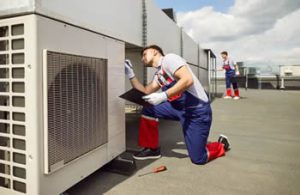
If you own a home in Dade County, you count on your cooling every single day, especially when humidity spikes from Miami Beach to Homestead. That is why AC repair Dade County decisions should feel simple, not stressful. This guide shows you how to sidestep the three most common surprises so your next visit leads to steady comfort, not second guesses. If you need help now, book fast, reliable air conditioning repairs with a team that knows our local climate inside and out.
Air Murphy Air Conditioning and Refrigeration is a Florida commercial refrigeration and HVAC specialist. The same standards we use to keep restaurants, markets, and cold storage running also protect your home comfort. Clear estimates. Full-system diagnosis. Precise fixes. That is how you avoid repeat problems in Dade County’s heat and salt air.
Why AC Repair Surprises Happen In Dade County
Dade County weather is not mild. Long cooling seasons, coastal salt, and fast-moving storms wear on outdoor units and electronics. Homes near the water in places like Key Biscayne and Miami Beach see corrosion sooner. Inland neighborhoods such as Kendall, Doral, and Hialeah rack up long runtime hours that stress contactors, fans, and controls.
When systems work this hard, small issues snowball into breakdowns. That is also when repair expectations can get fuzzy. Clear communication, documented testing, and written scopes protect you from confusion when the heat index soars.
Surprise 1: Incomplete Estimates And Add-Ons
The first surprise is a quote that grows after the technician arrives. The original number may have covered only a quick part swap, not the actual scope needed to solve the problem. The fix can change once a tech tests airflow, refrigerant pressures, or electrical readings. Testing is good. Hidden costs are not.
Never approve work without a written, line-item scope. Ask for clear language that explains what is included and what could change if test results point to a deeper issue. In a place as busy as Dade County, clear paperwork keeps everyone aligned and speeds up your visit.
- A transparent estimate should cover service call and diagnostic steps, parts and labor, refrigerant handling when needed, and any disposal or materials.
- It should note warranty terms on parts and labor, plus the expected timeline and after-hours policies if a return trip is required.
If you want a quick reference, bookmark helpful resources on our AC articles so you know what to expect during the visit. You can also explore AC repair in Dade County, FL options from the main site and meet the local team that will show up at your door.
Ask for parts and labor warranty terms in writing. This protects you if a component fails early or a second visit becomes necessary during peak heat.
Surprise 2: Quick Fixes That Fail Again
The second surprise is a short-lived fix. Maybe your system cools for a day and then stalls again. That often happens when a repair targets the symptom, not the cause. In our climate, the real issue can involve airflow limits, drainage problems, weak electrical supply, or salt-related corrosion that keeps coming back.
Solid repairs start with a system-wide diagnosis. That means testing, not guessing. Airflow, temperature split, electrical readings, drain performance, and a close look at outdoor coils all help reveal why the failure happened in the first place.
- Red flags: replacing a part with no supporting test results, no written diagnosis, and no guidance to prevent the same failure next month.
- Best case: you leave with clear findings, photos when helpful, and steps that reduce repeat breakdowns in your home’s conditions.
Insist on a root-cause diagnosis, not a guess. That is how you stop the cycle of callbacks.
Sometimes a repair is right today, but age and wear suggest planning for new equipment soon. If your system is older and humidity control is poor even after service, review your options for a better long-term fix. When that day comes, look at thoughtful design and placement so your next system works easier in our climate. You can compare approaches for air conditioning installation or replacement when you are ready.
Surprise 3: Long Waits During Peak Heat
The third surprise is delay. In late June and July, Dade County schedules fill fast. Storms can cut power, surge electronics, and cause many homes to call at once. Parts distribution also gets tight for a few high-demand components.
Reduce your risk with simple planning steps. Choose a company with well-stocked service vehicles and strong local supply partners. Confirm communication practices so you are not guessing about arrival windows. Ask if your home’s location, like a Miami Beach oceanfront or a Homestead acreage with long line sets, might require extra time for access or protection.
Plan ahead before June to avoid peak-season delays. Even a brief pre-summer check can catch small problems that become mid-July emergencies.
How Air Murphy Air Conditioning and Refrigeration Prevents These Surprises
At Air Murphy Air Conditioning and Refrigeration, we bring the discipline of Florida commercial refrigeration service to every residential call. Restaurants and markets cannot go warm. That urgency shapes our process for your home too.
Here is what you can expect on an AC repair visit across Doral, Kendall, Hialeah, Coral Gables, and beyond:
- Line-item estimates that explain what is covered and what could change after testing, so you are never in the dark.
- System-level diagnostics that check airflow, drains, and electronics before we replace parts, which helps prevent repeat failures.
- Clear communication on arrival windows and any parts lead times when storms or heat waves stretch supply.
- Photos or notes of key findings so you understand the issue and the path to reliable cooling.
If you need a repair now, our local team is ready. Prefer to plan? Explore practical tips in our AC articles and keep this page handy for the next heat spike.
AC Repair Dade County: What A Good Visit Looks Like
Every home is different, but a strong visit follows a simple arc. We confirm your comfort concern, test the system, share what we found, and fix the problem with your approval. You leave with documentation and clear next steps. That is it.
In neighborhoods with heavy salt exposure or long afternoon sun, we tailor the plan. Oceanfront homes often need added attention to outdoor coils. West-facing rooms in Kendall or Doral may drive longer runtimes that affect comfort late in the day. Your report will reflect those details so the repair sticks.
When you want steady comfort without surprises, schedule AC repair service with a company that treats your home like a mission-critical site. That standard is how we help homeowners stay cool through long summers, afternoon storms, and holiday gatherings.
Stay Cool In Dade County: Get Reliable AC Repair Today
Ready for clear estimates, proven diagnostics, and repairs that last? Call Air Murphy Air Conditioning and Refrigeration at 954-424-7499 and we will set a convenient arrival window. If you prefer to start online, you can learn more and request service from our page on air conditioning repairs. Either way, you get a local team that knows Dade County and stands behind the work.
How Long Should a Central AC Last in South Florida?
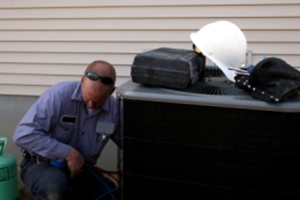
How Long Should a Central AC Last in South Florida?
If you live in South Florida, you use your cooling system almost year‑round. Homeowners often ask about the central AC lifespan in our climate and when it makes sense to choose air conditioning replacement instead of another repair. Below, you will find a clear answer that accounts for our heat, humidity, and coastal air so you can plan with confidence.
For a quick overview and trusted service, Air Murphy Air Conditioning and Refrigeration is here to help at 954-424-7499. You can also explore more tips in our AC articles written for Florida homes.
What Is the Average Central AC Lifespan in South Florida?
In South Florida, most well‑maintained central air conditioners last about 10 to 15 years. Some systems make it past 15 with excellent installation and regular professional care. Others call it quits closer to 8 to 12 years, especially in coastal neighborhoods where salty air and storms are part of life.
The big idea is simple: heat, humidity, and long run times add up. Your system cycles more, fights moisture more, and faces more wear than it would in a mild climate. That is why planning around the lifespan of your central AC unit in South Florida is smart, even if your unit is still cooling today.
Factors That Shorten Or Extend AC Lifespan in Florida
Every home is different, but these local factors make the biggest difference here:
- Pro installation and duct design: good airflow and correct sizing reduce strain and keep components happy.
- Coastal exposure: salty air and wind‑driven rain near areas like Fort Lauderdale, Hollywood, and Miami Beach accelerate corrosion.
- Usage hours: long cooling seasons in Broward and Miami‑Dade mean more starts and longer cycles.
- Maintenance history: skipped tune‑ups allow dirt, algae, and low refrigerant to creep in and wear parts out faster.
- Attic and duct conditions: hot attics and leaky ducts force the system to work harder to meet the setpoint.
- Power quality: lightning, power dips, and outages during storm season can stress electronics and compressors.
Coastal salt and humidity are tough on outdoor units. Even a few miles inland helps, but any home in South Florida benefits from professional cleanings and protective steps that keep coils clear and cabinets intact.
Signs Your AC Is Wearing Out
Machines tell a story before they fail. Watch for these patterns that often show up after year 10:
- Frequent repairs in a single summer or back‑to‑back seasons
- Warm rooms and uneven airflow even after service
- Rising power bills with no change in thermostat habits
- Longer run times, short cycling, or new rattles and hums
- Difficulty removing humidity, sticky air, or clammy rooms
- Corrosion on the outdoor unit, rusted base pans, or pitted fins
If you are hitting more than one of these, have a pro evaluate the system. When problems pile up, targeted AC repairs may help in the short term, but a plan for replacement could save money and stress over the next few years.
When To Repair Versus Replace in South Florida
Deciding between repair and replacement is not just about age. It is about risk, comfort, and the next few summers. Consider these guidelines:
Think replacement when the unit is 10–15 years old and needs a major fix. Big‑ticket parts on aging systems are warning lights. Investing in a new system gives you quieter operation, better dehumidification, and improved efficiency that helps offset power bills during long cooling months.
Repair can still be the right call if your system is newer, has a clear, minor issue, and your comfort has otherwise been steady. In that case, a professional repair paired with maintenance can keep you cool through the season while you plan ahead.
Also, look at comfort, not just numbers. If bedrooms never cool down, or the house feels sticky even at normal setpoints, replacement can solve problems that repairs cannot. New equipment, matched with the correct duct design, often fixes uneven rooms in places like Pembroke Pines, Coral Springs, and Kendall.
How Florida’s Climate Changes The Lifespan Math
Humidity is the silent culprit. Your AC removes heat and moisture. When it runs for long stretches, it works harder to keep indoor humidity at a comfortable level. Over time, this workload speeds up wear on motors, contactors, and coils.
High humidity is tough on comfort and equipment. If your home is often above 55 percent relative humidity, your system will feel “old” sooner. A properly sized replacement with strong moisture control can make rooms feel cooler at higher thermostat settings, which helps your next system last longer.
Coastal Homes and Salt Air
Living near the ocean is a perk, but salt air can pit coils and corrode cabinets. If you are in areas like Pompano Beach, Dania Beach, or Miami Beach, expect a shorter window unless your system is cleaned and protected on a regular schedule. Cabinet coatings and careful placement can reduce exposure, but coastal units still see a harder life.
Attics, Ducts, and Airflow
Hot attics and leaky ducts also shave years off equipment. Undersized returns, crushed flex, and dirty evaporator coils make compressors work overtime. If you plan a replacement, use the visit to review duct size, return placement, and supply balance so the new unit runs more easily. Great airflow is like smooth roads for your AC.
Planning Your Next AC Replacement
Do not wait for a no‑cool emergency in late June. If your system is in the 10–15-year range, schedule a comfort assessment during spring. That gives you time to compare options, plan for duct tweaks, and pick features that matter in our climate, like strong dehumidification and corrosion resistance.
When you are ready, start the process with an experienced local team. If your evaluation points toward a change‑out, our technicians at Air Murphy Air Conditioning and Refrigeration can walk you through air conditioning replacement options that fit your home, from sizing and airflow to controls you will actually use.
What To Expect During A Professional Replacement
A pro visit includes sizing calculations, checking the electrical panel, reviewing line‑set paths, and confirming outdoor clearances for storm debris and service access. The final setup should leave you with steady temperatures, drier air, and quieter nights. That is the real payoff of a well‑planned installation.
Plan before the peak heat. Rescheduling beats rushing during a heatwave when appointment times are tight,t and your home is uncomfortable.
Budget And Energy Considerations Without Getting Into Prices
Exact costs depend on your home and equipment choices, so we will not quote numbers here. What we can say is that a modern system often reduces energy use compared to an older unit, especially one past year 10. Over several summers, that difference adds up while also improving comfort and humidity control.
If your current unit needs frequent service and your bills are climbing, that pattern can cost more over time than investing in a reliable replacement. Steady comfort has value too, especially with guests, family, or remote work.
Real‑World Scenarios In South Florida Neighborhoods
A townhouse in Weston with west‑facing glass may run longer in late afternoons. A bungalow in Wilton Manors with older ducts may struggle to cool a back bedroom. A coastal condo in Sunny Isles may fight salt air year‑round. Each case changes lifespan expectations and the best next step. That is why a home visit matters more than a one‑size‑fits‑all answer.
Your Next Step
If your AC is approaching the end of its typical life and showing signs of wear, it is time to get a plan. A short visit now can prevent a hot, humid surprise later. Our top commercial refrigeration team in South Florida can review airflow, humidity needs, and equipment options so you feel great in July and comfortable on your power bill.
When you want clear guidance from a local specialist, Air Murphy Air Conditioning and Refrigeration is ready to help. Call us at 954-424-7499 to schedule an evaluation and explore air conditioning installation or replacement options that fit your South Florida home.
Ductless Mini-Split for Florida Rooms & Garages: Pros, Cons, Costs

Ductless Mini-Split for Florida Rooms & Garages: Pros, Cons, Costs
Thinking about cooling a Florida room, garage, or bonus space without ripping into walls? A ductless mini split can be a smart, efficient option for many Florida homes. If you want a quick overview or help choosing the right setup, explore our ductless systems and see how they fit rooms just like yours.
Below, we break down how ductless heat pump systems work in our climate, where they shine, where they do not, and what drives your final investment. You will also see how sizing, layout, and humidity control affect comfort in real Florida spaces.
Why Ductless Works So Well In Florida Rooms
Florida rooms and enclosed patios get lots of sun and glass. Central air often cannot reach them without expensive duct runs or major remodeling. A ductless mini split sends cooling directly to the room through a compact indoor unit connected to a small outdoor condenser.
- Targeted comfort: cools only the room you are using.
- Humidity control: many systems wring moisture from the air, which is crucial in South Florida’s long wet season.
- Flexible placement: wall, floor, or ceiling cassettes to match your layout and finishes.
For homeowners in Broward and Miami-Dade, that mix of targeted comfort and moisture control is hard to beat. The result is a space you will actually use in July, not just in January.
Garages, Shops, And Home Offices: What To Consider
Garages and workshops run hot because of heat-soaked concrete and limited insulation. A mini split can keep these spaces comfortable for hobbies or hybrid work. If you have a garage fridge or wine cooler in the same space, keeping the room cooler also helps those appliances work easier. If your project includes any cold storage for a small business, our team also handles commercial refrigeration needs under the same roof.
For home offices, a quiet indoor head is key. Look for sound ratings that won’t distract you during video calls. Many homeowners also like a wall-mounted thermostat or a Wi‑Fi app to fine-tune the temperature during the workday.
Single-Zone vs. Multi-Zone: Picking The Right Setup
Single-zone systems pair one outdoor unit with one indoor head. They are ideal for a Florida room, garage, or finished attic. Multi-zone systems connect several indoor heads to one outdoor unit, which can be helpful if you are conditioning a garage plus a guest room or a separate home office.
- Single-zone: simplest install, great performance, usually the most efficient choice for one space.
- Multi-zone: one outdoor unit, multiple rooms, cleaner look outside when you have several areas to cool.
If you plan to condition only one space now but might add another room later, discuss “future-ready” options so you are not boxed in. Oversizing a multi-zone or under-sizing a single zone can leave rooms clammy, especially during late-summer afternoons when humidity peaks.
Heat Pump Mini Splits In South Florida
Nearly all modern mini splits are heat pumps. That means cooling all summer and gentle heating for our brief cool spells. In South Florida, you will use heat sparingly, but the ability to take the chill off a January morning is a nice perk. Systems with good low-ambient performance can also help dehumidify during rainy shoulder seasons without overcooling the space.
Because we live with salty air, wind-driven rain, and tropical sun, look for outdoor units with corrosion-resistant coatings. Regular professional maintenance keeps coils clean and efficiency high in coastal conditions.
What Drives Mini-Split Cost In Florida
Every project is different, so exact pricing varies. Instead of numbers, here are the biggest cost drivers so you can plan with confidence:
Room size and heat load. Bigger glass areas and west-facing walls add heat that the system must remove. Garages with dark roofs or little insulation need more capacity.
Electrical and line-set path. The distance and complexity of the refrigerant lines, the need for a new electrical circuit, or a longer wall penetration can influence labor time.
Mounting style and features. Ceiling cassettes, condensate pumps, advanced filtration, and smart controls add comfort and convenience but can raise the budget.
Number of zones. A single zone for one room is simpler. Multi-zone projects can be efficient when conditioning several rooms at once.
Pros And Cons At A Glance
Mini splits solve tough rooms. Still, it is smart to weigh both sides before you decide.
Pros: efficient, room-by-room control, minimal disruption, strong humidity control, quiet operation, and flexible styling for the indoor head.
Cons: a visible indoor unit, potential need for electrical upgrades, and the importance of expert sizing and placement. Improper placement can cause short cycling and uneven temperatures, so professional design matters.
Sizing And Placement For Florida Rooms And Garages
We start by calculating the room’s heat load. That includes window size and direction, insulation levels, ceiling height, and how you use the space. In Florida rooms with large sliders and skylights, a slightly higher capacity paired with smart fan control can tame the afternoon sun. In garages, indoor heads often mount high on the wall away from garage doors so they are protected from direct blasts of heat and moisture.
Ceiling cassettes keep walls clean and distribute air evenly, which can help in long sunrooms. Floor-mounted units work well under windows or knee walls. Clearance around the outdoor unit is important to reduce debris buildup and protect airflow during storm season.
Humidity, Mold, And Comfort In Our Climate
Comfort is more than a temperature setpoint. In South Florida, moisture is the big variable. Mini splits excel here because they can reduce humidity in part-load conditions without overcooling. That means fewer sticky evenings and less chance of condensation on glass or walls.
If your Florida room sits near a pool or canal, ask about coatings and regular cleanings to limit corrosion. Simple steps like trimming plants around the outdoor unit and keeping gutters clear will also support long-term performance. When your project includes refrigerated display cases or an ice machine for a home-based business, our team can coordinate comfort and cold storage using the same trusted pros who service commercial refrigeration.
When A Mini Split Is Not The Best Fit
There are a few cases where a different solution may be smarter. If your bonus room is open to the rest of the home and already tied to central air, rebalancing or adding a supply and return may be enough. Very large garages used as full-time workshops may benefit from added insulation or air sealing before equipment selection. And if you plan to condition many rooms throughout the house, a whole-home strategy could be more cost-effective.
Mini Split For An Office Or Studio
Converting a spare room or portion of the garage to an office is common across Florida. Mini splits are quiet, steady, and fine-tuned. That makes them great for conference calls, recording, or design work. You can schedule setpoints so the room cools before your workday starts and backs off after hours. If you want to compare with central systems, our AC articles at articles walk through efficiency and comfort tips in plain language.
How Multi-Zone Systems Help Growing Families
If you are finishing a Florida room today and a guest suite next year, a multi-zone system can be planned in stages. One outdoor unit can support several indoor heads with individual remotes or shared smart controls. This avoids stacking multiple outdoor units along the side yard. It also keeps the look clean for HOAs while giving each space its own schedule.
Timeline And What To Expect
After an on-site assessment, your project coordinator will review the design, equipment options, and any electrical needs. We also confirm placement details that protect the system during tropical storms and allow service access later. Installation for a single-zone is typically straightforward. Multi-zone projects take longer because of additional refrigerant lines and indoor heads.
Once installed, we test, commission, and walk you through controls for both cooling and heat. You will learn how to use dry mode, fan speeds, and scheduling so the space is comfortable without wasting energy.
Getting Started With A Ductless Mini Split In Florida
If you are comparing options, start by deciding how you will use the space most days. A hobby garage that runs evenings and weekends is different from a home office used nine-to-five. From there, equipment selection, sizing, and placement fall into place. To see common layouts and features, browse our overview of ductless systems, then set a time with our team for a right-size plan.
If you are searching for a trusted partner for comfort and refrigeration under one roof, Air Murphy Air Conditioning and Refrigeration also services commercial refrigeration for local shops, cafés, and home-based businesses.
You can learn more about commercial refrigeration in Florida and how our services can benefit your space by scheduling a visit. A friendly specialist will review sun exposure, insulation, and everyday use so your new system handles summer heat and shoulder-season humidity.
Talk With A Local Ductless Specialist
Ready to make that Florida room or garage comfortable all year? Call 954-424-7499 to schedule with Air Murphy Air Conditioning and Refrigeration. If you prefer, send a quick message and we will coordinate a time that works for you. When you want a room that stays cool, quiet, and dry, our design-first approach makes the difference.
Let’s turn your extra space into your favorite space with the right plan, the right equipment, and a careful installation. Start here and see what is possible with modern ductless technology in our climate.
See ductless options for your home
Commercial Refrigeration Maintenance Checklist for Restaurants

A New Modern Commercial Building for Sale or Lease
Running a restaurant in Florida means relying on your refrigeration equipment every single day. From walk-in coolers and freezers to ice machines and prep line units, these systems are the backbone of your kitchen. To keep your operation running smoothly, regular maintenance isn’t optional. As a dependable commercial refrigeration company, we understand how costly breakdowns can be. That’s why we’ve put together this practical checklist to help you stay ahead of issues and protect your investment.
Why Routine Maintenance Matters
Commercial refrigeration systems work hard, often 24/7, to maintain consistent temperatures in a hot and humid climate. Without proper upkeep, components wear out, efficiency drops, and energy bills climb. Even worse, unnoticed problems can lead to food spoilage or equipment failure during peak hours. A proactive approach to maintenance keeps your equipment running longer, saves money on repairs, and helps ensure your products stay fresh and safe for customers.
Weekly and Monthly Maintenance Tasks
Some maintenance tasks are simple enough for your kitchen staff to handle. Training your team to recognize early warning signs and keep units clean can make a huge difference. Here’s a quick checklist of items that should be reviewed regularly:
- Clean condenser and evaporator coils: Dust and grease build-up force your system to work harder and can lead to overheating.
- Check door gaskets and seals: Ensure there are no cracks or tears to prevent cold air leaks.
- Inspect temperature settings: Verify the thermostat is maintaining the correct temperature for each unit.
- Clear drain lines: A clogged drain can cause leaks or water damage.
- Wipe down interior surfaces: Keeping interiors clean reduces odors and prevents mold growth.
- Monitor for unusual noises or vibrations: These can indicate worn parts or motor problems that need professional attention.
Professional Maintenance and Inspections
While staff can handle light cleaning and inspections, refrigeration professionals should perform more detailed service at least twice a year. During a professional visit, technicians from Air Murphy will check refrigerant levels, calibrate controls, test compressor performance, and ensure your system meets health and safety standards. These detailed inspections help catch small issues such as refrigerant leaks or electrical wear before they turn into major repairs.
Keeping Your Restaurant Cool and Running Strong
Few things are more stressful for restaurant owners than an unexpected refrigeration failure. Routine maintenance helps avoid that scenario, but early detection is equally important. Keep an eye on performance changes such as inconsistent temperatures, frost buildup, or a sudden increase in noise. Contact a certified technician at the first sign of trouble. Quick intervention can mean the difference between a minor adjustment and a full system replacement.
Stay ahead of costly breakdowns and protect your restaurant’s reputation with expert maintenance from Air Murphy. Call us today to schedule your commercial refrigeration service and keep your kitchen running at peak performance.
AC Installation vs. Repair: How Broward County Homeowners Can Make the Right Choice
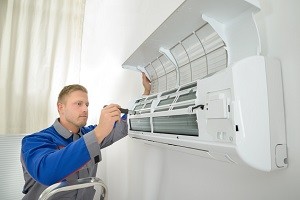
When the summer heat bears down on Broward County, a reliable air conditioning system is more than a comfort; it is a necessity. Homeowners often find themselves asking a critical question: should they repair their existing unit or invest in a new installation? At our company, we know this decision can feel overwhelming, which is why our team of licensed HVAC contractors is committed to guiding you toward the solution that best protects your home, budget, and long-term comfort.
Understanding the Signs Your AC Needs Help
The first step in making the right choice is recognizing the signs that your system is struggling. Frequent breakdowns, strange noises, or higher energy bills are all red flags. If you find yourself scheduling AC repair multiple times in a single season, those service calls may be adding up to more than a new system would cost over time. Additionally, when comfort levels in your home drop even after maintenance, it is usually a clear sign that the equipment is nearing the end of its life.
The Role of Efficiency and SEER2 Upgrades
Broward County homeowners also need to consider energy efficiency. Recent SEER2 standards set the bar higher for performance, meaning new systems are designed to deliver more cooling while using less energy. If your current unit is ten to fifteen years old, upgrading may drastically reduce utility bills and provide better comfort. On the other hand, if your system is relatively new but just needs a part replacement, targeted AC repair may be the smarter move.
Comparing Costs of Repair vs. Installation
Budget always plays a role in this decision. Short-term savings from repair can be tempting, but ongoing costs add up quickly if your unit is unreliable. Installing a new system is a larger upfront expense but often pays for itself through lower utility bills, fewer service calls, and improved home value. To make the most informed decision, homeowners should weigh both immediate expenses and long-term financial impacts.
Here are some quick comparisons to help clarify the difference between the two options:
- Repair Costs: Lower at first but can accumulate if problems persist.
- Installation Investment: Higher upfront but delivers lasting performance and efficiency.
- Energy Efficiency: Repairs maintain current levels, while installations bring modern technology and SEER2 upgrades.
- Home Value: Repairs keep your system functional, while installation can boost resale value.
This list highlights why careful consideration is essential before making the final call.
Life Expectancy of a Central AC
Another factor homeowners must keep in mind is lifespan. Central AC units typically last 12 to 15 years, but Florida’s humid climate can shorten that timeframe. If your system is approaching this range, AC repair may only provide a temporary fix, while replacement ensures your home is equipped for the future. A newer system also delivers improved indoor air quality, quieter operation, and peace of mind during peak summer months.
Making the Right Decision for Your Home
Every household is unique, which is why we recommend consulting professionals who understand both the local climate and your specific needs. By working closely with a trusted HVAC team, you will have the guidance to decide whether targeted repairs or a full installation is the smarter investment. Contact us today to schedule your consultation and secure the comfort your family deserves.
5 HVAC Myths That Could Be Costing You Money

When it comes to keeping your home comfortable and your energy bills manageable, few systems are as important as your heating and air conditioning. Unfortunately, there’s a lot of misinformation floating around about HVAC systems. These common myths not only mislead homeowners but can also lead to unnecessary expenses, discomfort, and even premature system failure. If you’re relying on outdated advice, it might be time to reconsider what you think you know.
Below, we’ll bust five HVAC myths that could be costing you money and explain what you should do instead.
Myth 1: You Only Need to Change Your Filter Once a Year
This is one of the most widespread and damaging HVAC myths. While it’s easy to forget about the air filter, leaving it unchanged for months can restrict airflow, reduce efficiency, and even cause system breakdowns. Most filters need to be changed every 1 to 3 months depending on your usage, indoor air quality, and whether you have pets.
Neglecting this simple task forces your air conditioning system to work harder, which means more wear and tear and higher utility bills. Regular filter changes are a small investment that pays off in performance and longevity.
Myth 2: Bigger HVAC Systems Work Better
It might seem logical that a larger HVAC system would cool or heat your home faster and more effectively. However, oversized systems actually short-cycle, meaning they turn on and off too frequently. This can wear down parts prematurely, waste energy, and lead to inconsistent temperatures throughout the home.
HVAC contractors often see homeowners overspend on oversized systems that don’t deliver better results. Proper sizing by a professional is crucial for both comfort and efficiency.
Myth 3: You Don’t Need Regular Maintenance If Your System Is Working Fine
Just because your air conditioning seems to be working doesn’t mean everything is fine. Small issues like clogged coils or worn parts often go unnoticed until they cause bigger problems.
Routine checkups help prevent expensive repairs and keep your system running efficiently. Most HVAC contractors recommend annual maintenance to extend system life and avoid surprise breakdowns.
Myth 4: Closing Vents in Unused Rooms Saves Money
Many homeowners think that closing vents in unused rooms will redirect air and lower costs. In reality, your HVAC system is designed for balanced airflow. Blocking vents can increase pressure in the ducts, making your system work harder and reducing its efficiency.
If you want better control over different zones in your home, talk to our skilled HVAC contractors about installing a zoned system or smart thermostats instead.
Myth 5: Thermostat Placement Doesn’t Matter
Thermostats placed near windows, vents, or appliances can get inaccurate readings, causing your air conditioning system to run longer than necessary. Proper placement ensures the thermostat accurately reflects the room’s average temperature, helping your system perform at its best.
Before assuming your system needs replacing, check that your thermostat is installed in a central, shaded area free from drafts or direct sunlight.
Common Mistakes That Cost You
Homeowners unknowingly fall into these habits, and they often come with a price. Here are a few more common missteps that reduce HVAC performance and increase costs:
-
- Skipping seasonal inspections
- Setting the thermostat too low during hot days
- Using old, inefficient thermostats
- Ignoring unusual sounds or smells from the system
- Not sealing windows and doors properly
Avoiding these pitfalls can save you hundreds in energy bills and repair costs over time. A little attention and informed decision-making go a long way toward protecting your investment.
Need expert advice or a maintenance check? Contact your local HVAC contractors today to schedule a service and optimize your air conditioning system.
Get the Facts and Save on Comfort
It’s easy to fall for myths when they sound convenient or come from well-meaning neighbors. But trusting the wrong information about your heating and air conditioning can cost you. Make sure you’re working with qualified HVAC contractors who can give you honest answers and long-term solutions. When your comfort and money are on the line, getting it right matters.